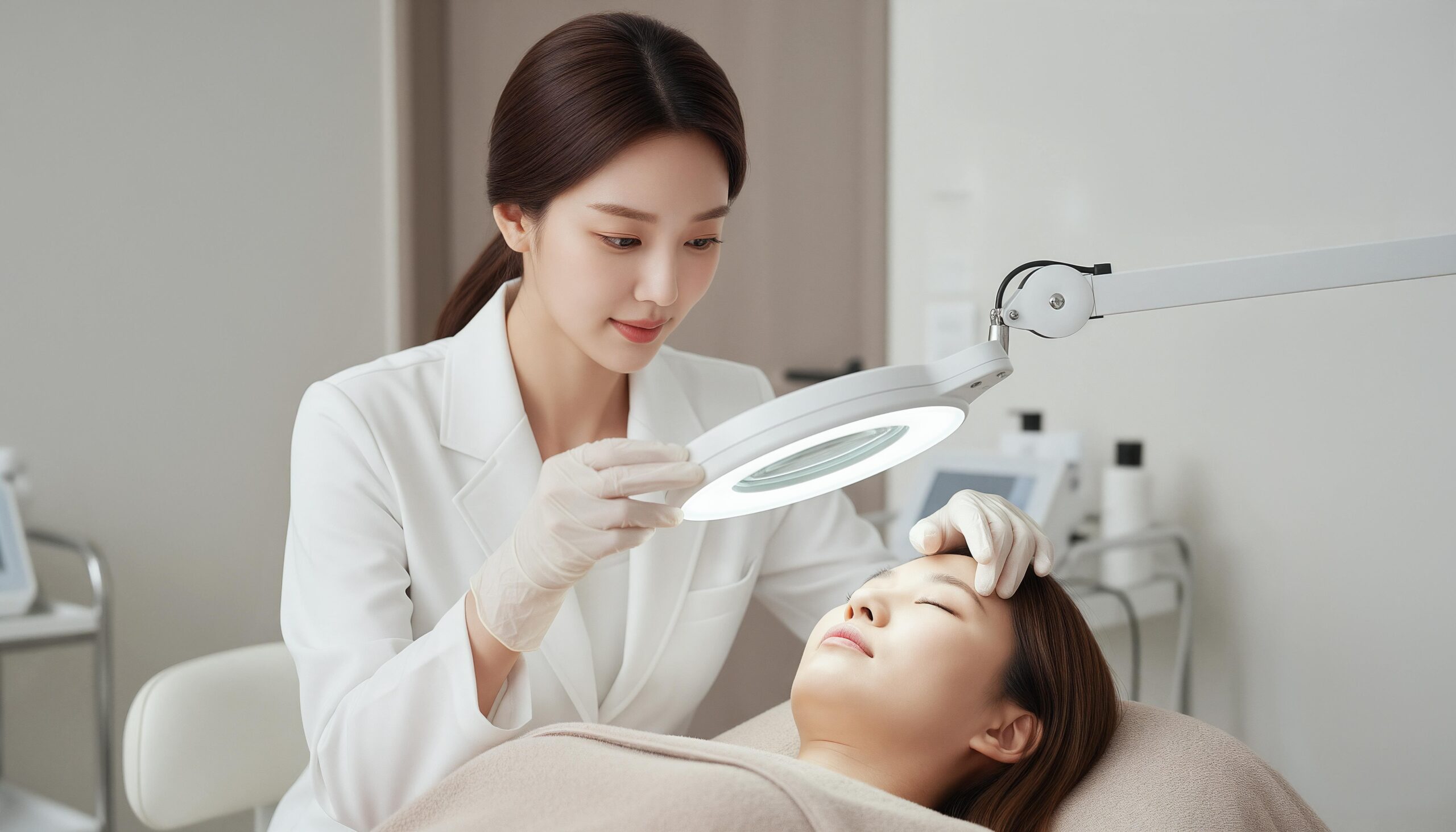
Want a sculpted physique without surgery? Explore the science behind cryolipolysis, radiofrequency, and HIFEM — and how they reduce fat, build muscle, and tighten skin.

Introduction
Despite diligent diet and exercise, many individuals struggle with stubborn pockets of fat that resist conventional weight loss efforts. For those seeking to refine their physique without undergoing surgery, non-invasive body contouring has emerged as a revolutionary solution. These advanced treatments offer a safe and effective way to reduce localized fat, tighten skin, and sculpt the body, providing a significant boost in confidence. This article delves into the science behind these cutting-edge technologies and how they work to reshape your body.
Understanding Non-Invasive Body Contouring
Non-invasive body contouring refers to a range of medical aesthetic procedures that reduce fat or tighten skin without incisions, anesthesia, or significant downtime. These treatments target fat cells or stimulate collagen production using various energy-based technologies, leading to a more sculpted and toned appearance. The key advantage lies in their ability to deliver noticeable results with minimal disruption to daily life.
How Non-Invasive Technologies Work
Different non-invasive body contouring technologies employ distinct mechanisms to achieve their results:
- Cryolipolysis (Fat Freezing): Technologies like CoolSculpting utilize controlled cooling to target and eliminate fat cells. Fat cells are more susceptible to cold than surrounding tissues. When exposed to precise cooling, these fat cells undergo apoptosis (programmed cell death) and are gradually processed and eliminated by the body’s lymphatic system over several weeks to months [4]. This method is highly effective for reducing localized fat bulges in areas like the abdomen, flanks, and thighs.
- Radiofrequency (RF) Energy: Devices such as INDIBA® Deep Care use controlled radiofrequency energy to heat the deeper layers of the skin. This thermal energy causes existing collagen fibers to contract, leading to immediate skin tightening. More importantly, it stimulates the body’s natural production of new collagen and elastin, resulting in long-term improvements in skin firmness and elasticity [5]. RF is excellent for skin tightening and improving cellulite appearance.
- High-Intensity Focused Electromagnetic (HIFEM) Energy: Technologies like Emsculpt use HIFEM to induce supramaximal muscle contractions that cannot be achieved voluntarily through exercise. A single 30-minute session can induce tens of thousands of powerful muscle contractions, leading to muscle hypertrophy (growth) and hyperplasia (increase in number), while also reducing fat in the treated area [6]. This is ideal for strengthening and toning muscles in the abdomen and buttocks.
Benefits of Non-Invasive Body Contouring
- Targeted Fat Reduction: Precisely eliminates stubborn fat pockets that are resistant to diet and exercise.
- Skin Tightening: Improves skin laxity and firmness, reducing the appearance of sagging skin.
- Muscle Toning: Some technologies can build and strengthen muscles, enhancing definition.
- No Downtime: Patients can typically resume their normal activities immediately after treatment.
- Natural-Looking Results: Gradual improvements that appear natural and harmonious with your body shape.
- Safe and Effective: FDA-cleared technologies with proven safety and efficacy profiles.
Conclusion
Non-invasive body contouring offers a powerful and convenient solution for individuals looking to refine their physique without the risks and recovery associated with surgery. By leveraging advanced scientific principles, these treatments can effectively reduce fat, tighten skin, and build muscle, helping you achieve the sculpted body you desire. Consult with Dr. Alan Wong at The LifeStyle Clinic to discover which body contouring solution is best suited for your aesthetic goals.
References
[1] American Academy of Dermatology Association. (n.d.). Sunscreen FAQs.
[2] Cotofana, S., et al. (2019). The Facial Danger Zones: Avoiding Vascular Complications. Plastic and Reconstructive Surgery, 143(1), 1-12.
[3] Goodman, G. J. (2018). The use of hyaluronic acid fillers in the aging face. Clinical, Cosmetic and Investigational Dermatology, 11, 239–248.