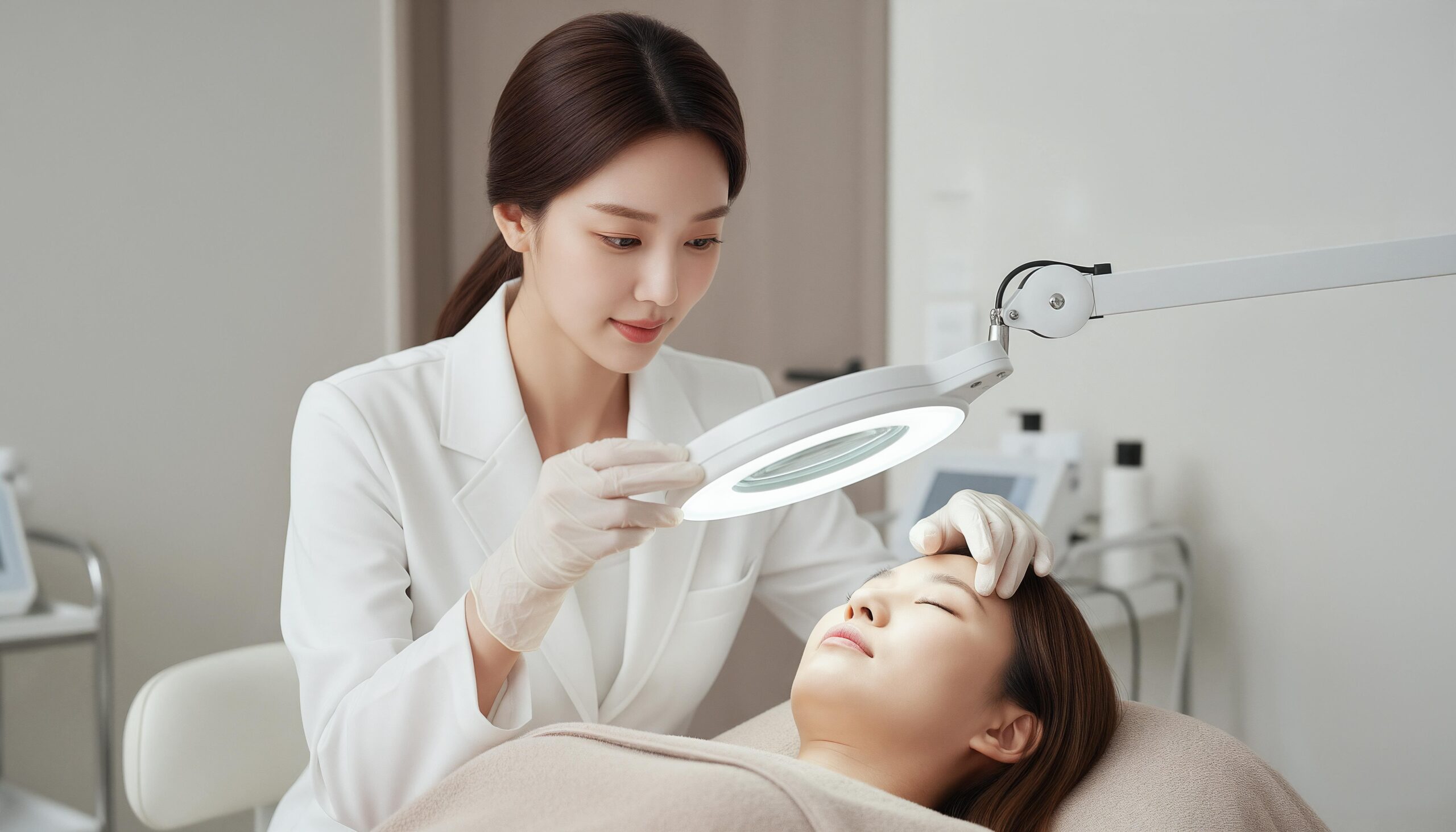
Great aesthetics isn’t about perfecting one feature — it’s about balance. Learn how facial harmonization creates natural, proportionate results that celebrate your individuality.
Introduction
In the pursuit of beauty, the focus has shifted from isolated feature enhancement to a more holistic concept: facial harmonization. This artistic approach recognizes that true beauty lies in the balance and proportion of all facial features, rather than perfecting a single one. It’s about enhancing your natural beauty, respecting your individuality, and creating a refreshed appearance that looks effortlessly natural. At The LifeStyle Clinic, Dr. Alan Wong specializes in this nuanced art, ensuring results that are both beautiful and uniquely you.
What is Facial Harmonization?
Facial harmonization is an advanced aesthetic approach that considers the entire face as a single, interconnected canvas. Instead of merely filling a wrinkle or plumping lips in isolation, it involves a comprehensive assessment of facial proportions, symmetry, and contours. The goal is to create a balanced and aesthetically pleasing appearance that enhances your natural features, restores youthful volume, and subtly refines contours, all while preserving your unique character [1].
Principles of Harmonious Aesthetics
Dr. Alan Wong applies classical and modern aesthetic principles to achieve facial harmonization:
- Proportion and Balance: Assessing the relationship between different facial zones (forehead, mid-face, lower face) and features (eyes, nose, lips) to ensure they are in harmonious proportion.
- Symmetry: While perfect symmetry is rare, the aim is to improve overall balance, as asymmetry can contribute to an aged or tired appearance.
- Contour and Volume Restoration: Addressing age-related volume loss in areas like the cheeks, temples, and jawline to restore youthful curves and definition.
- Skin Quality: Recognizing that smooth, radiant skin is fundamental to overall facial aesthetics, treatments often include improving texture, tone, and hydration.
- Dynamic Expression: Ensuring that enhancements do not impede natural facial expressions, allowing you to convey emotions authentically.
Tools for Artistic Enhancement
Achieving facial harmonization requires a skilled hand and a diverse toolkit. At The LifeStyle Clinic, Dr. Alan Wong utilizes a range of advanced treatments:
- Dermal Fillers: Strategically placed to restore lost volume, lift sagging areas, and refine contours (e.g., cheek augmentation, jawline definition, temple hollowing) [2].
- Botulinum Toxin (Botox): Used to relax specific muscles, softening dynamic wrinkles and creating a smoother, more relaxed appearance without a “frozen” look.
- Profhilo: Improves overall skin quality, hydration, and elasticity, contributing to a more youthful and radiant complexion across the entire face.
- Thread Lifts: Minimally invasive procedure to gently lift sagging skin and stimulate collagen production, providing a subtle yet effective rejuvenation.
- Laser Treatments: To address skin texture, pigmentation, and overall skin tone, ensuring the canvas is as flawless as the sculpted features.
The Consultation: Your Personalized Artistry Plan
Your journey to facial harmonization begins with an in-depth consultation with Dr. Alan Wong. He will conduct a detailed facial analysis, listen to your concerns, and discuss your aesthetic aspirations. Together, you will co-create a personalized treatment plan that respects your unique features and delivers results that are subtle, natural, and truly transformative.
Conclusion
Facial harmonization is more than just a series of treatments; it’s an art form that celebrates your individual beauty. By focusing on balance, proportion, and natural enhancement, Dr. Alan Wong at The LifeStyle Clinic helps you achieve a refreshed and confident appearance that reflects your inner vitality. Discover the art of harmonious beauty.
References
[1] Cotofana, S., et al. (2019). The Facial Danger Zones: Avoiding Vascular Complications. Plastic and Reconstructive Surgery, 143(1), 1-12.
[2] Goodman, G. J. (2018). The use of hyaluronic acid fillers in the aging face. Clinical, Cosmetic and Investigational Dermatology, 11, 239–248.